
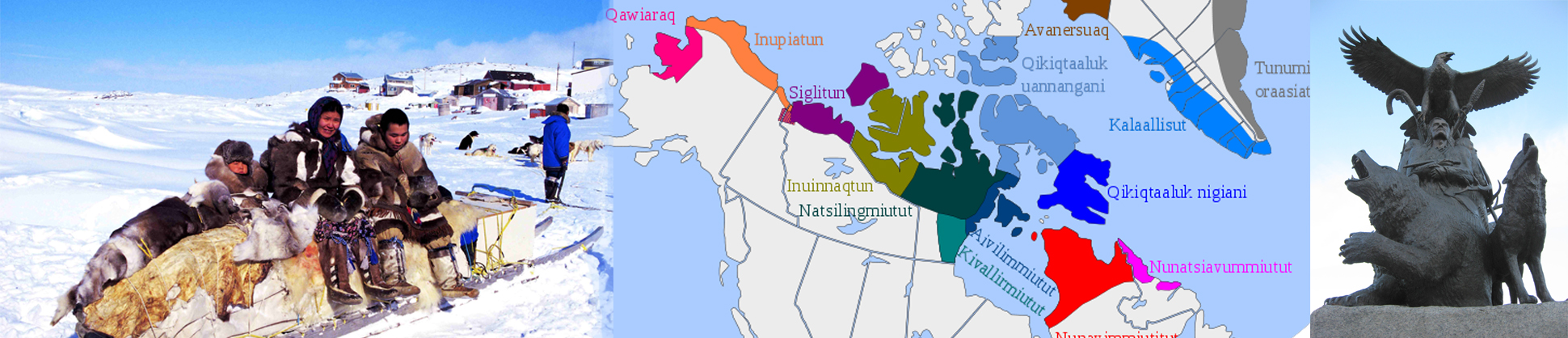
The Untapped Potential of Low-Cost Photogrammetry in Community-Based Archaeology: A Case Study from Banks Island, Arctic Canada, is a paper that was printed in the Journal of Community Archaeology & Heritage, in April 2016. Written by Colleen Haukaas and Lisa M. Hodgetts, this research paper is a case study from an archaeological project they undertook in Banks Island, Canada. It bears a striking resemblance to the Ogham in 3D project, in that it is a community orientated archaeological project, using photogrammetry and structure from motion techniques, and similar software for translating the data into 3D models.
Photogrammetry Timeline
As part of my research into digital tools and community participation, I have been looking at photogrammetry. In particular because I will be using it as part of the Ogham in 3D project. I realised how little I knew about the history of photogrammetry, and wanted to delve in deeper. As a visual learner, I find just reading articles and papers, still don’t quite connect the dots for me, and constantly find myself muddled with dates and names. So, I decided to create a visual (brief) timeline of the history of photogrammetry, to get a better idea of its origins, its uses, and significance today.
Burnham House
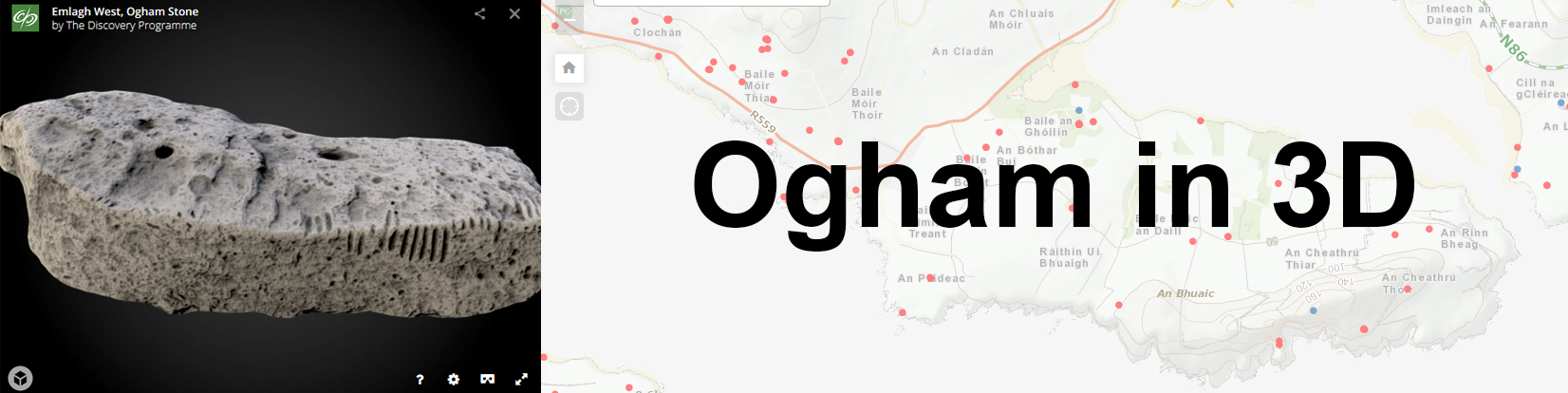
I’ve finally begun the Ogham in 3D Mapping Project, (see previous post here). I have been assigned to map the Ogham Stones at Cólaiste Íde/Burnham House.
Burnham House, is a detached seven-bay three-storey late-Georgian house, built c. 1800. 1 Originally the estate of Lord Ventry, it is now an Irish speaking girls boarding school, Cólaste Íde. A collection of seven stones, they were though to have originally been situated at a few different sites, eg Ballinrannig; Burnham East, Ballineesteenig, and other sites, but were placed along the driveway by Lord Ventry.
Skeuomorphic Design

In putting together my mindmap for a social media strategy, I came across a term I had not heard of before, Skeuomorphic Design. Once I read what it meant, I realised I knew the concept, just not the term.
‘skeuomorphism’ – a design principle in which design cues are taken from the physical world. https://www.techopedia.com/definition/28955/skeuomorphism
Create, Connect, Share!
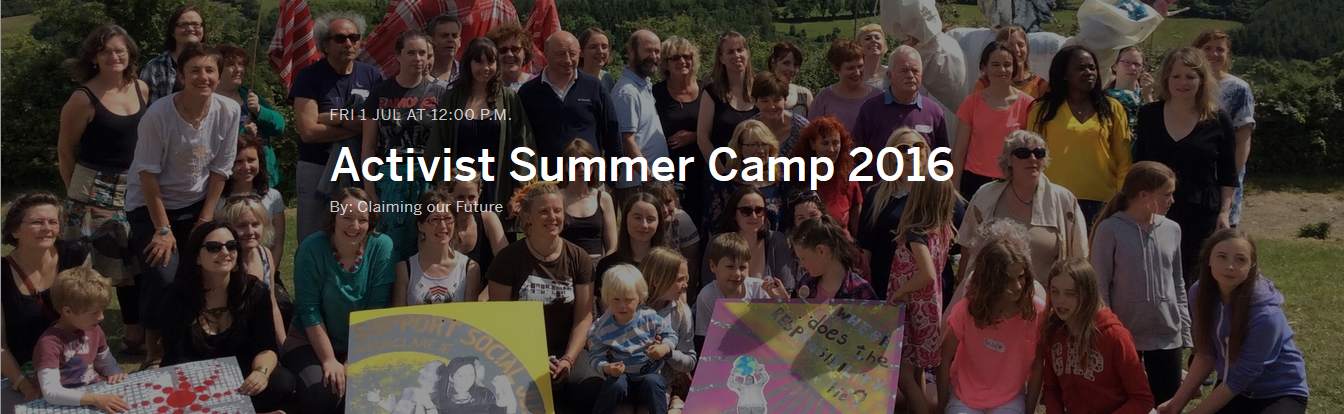
I’m currently preparing for my workshop at Activism Camp next week, 1/2nd July, in Knockree Youth Hostel, Enniskerry, County Wicklow.
Run by Claiming our Future, it is an excellent opportunity to meet with like-minded individuals, network, and get a crash course in creative action for social change.
I will be giving a workshop on mindmapping a social media strategy, focusing on a ‘less is more’ approach. Through research on your community, and by creating a strategy, you can spend less time on ‘pushing’ your campaign and more time ‘pulling’, creating good content.
Digital Storytelling
Digital storytelling is a short form of digital media production that allows everyday people to share aspects of their life story. The media used may include the digital equivalent of film techniques (full-motion video with sound), animation, stills or audio.
Everyone has many powerful stories to tell and people who believe they are mundane, uninteresting, or unmemorable possess beneath this mask a vivid, complex, and rich body of stories just waiting to be told”.- Center for Digital Storytelling
Twitter Sentiment Visualization
I recently came across an online project, that will “ estimate and visualize sentiment for short, incomplete text snippet”. Tweet Sentiment Visualization presents a visualization of basic emotional properties in a text. Focusing on Twitter, you simply add in a keyword and a detailed visual analysis is created, using Russell Model of Emotional Effect 1.
Voyant Tools
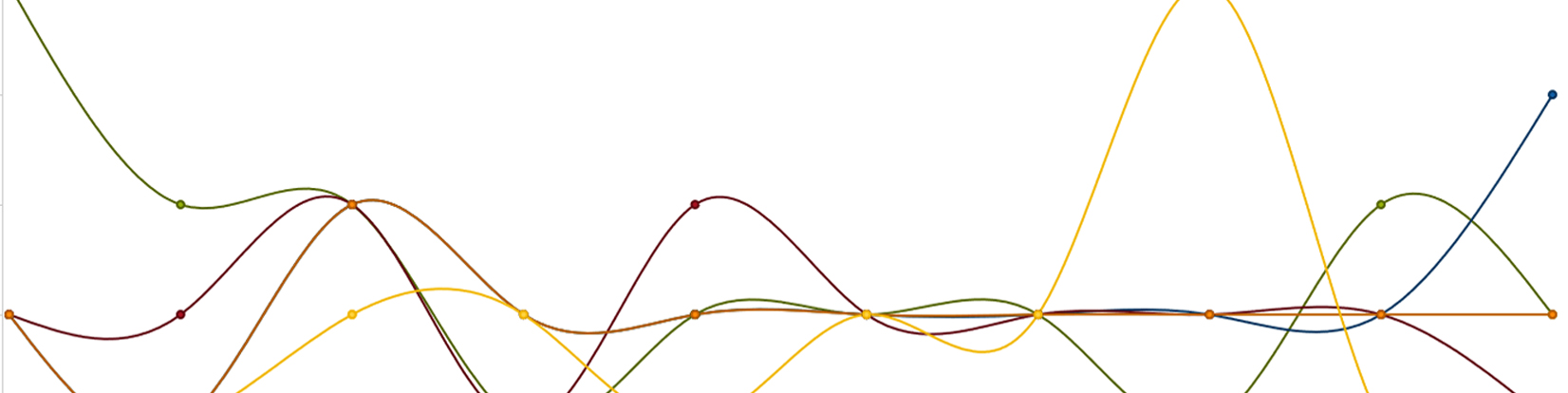
Voyant is scholarly project focused on interpreting of texts and design of tools in the humanities. You too can use Voyant to analyze your own texts, to write essays with embedded hermeneutical panels generated by Voyant, and you can adapt the code to create your own versions of tool. (Voyant-Tools)
Crowdsourcing

Crowdsourcing, a modern business term coined in 2006, is defined by Merriam-Webster as the process of obtaining needed services, ideas, or content by soliciting contributions from a large group of people, and especially from an online community, rather than from traditional employees or suppliers (Wikipedia) Continue Reading
Digitalis 2.0
Digitalis 2.0 is a 2 day conference taking place on Thursday and Friday, April 7-8, 2016. Myself, along with other MA Digital Cultures, MA Digital Humanities and PHD students, will be presenting series of talks on our interests and research. It takes place at the Active Learning Space, Food and Technology Building, UCC from 10am-3pm.
As part of course, we get to stage this 2 day conference. It is a great experience to organise the conference, build on your strengths, depending on what role you play in the organization, and most of all to get to spend 2 ys with your fellow students, hearing all about their interests.
