Between the short videos and Gifs I’ve been working on, to other digital projects, the constant search for images, can take up a lot of time. Finding images to use is easy, simply do an online search, but finding images you can use freely, is not so easy or simple.
#IWD2016
Happy International Women’s Day!
Since moving to rural Ireland, I don’t celebrate International Women’s Day, like I used to. In the cities, there is always some fantastic event or party being organised. but , here in a small town in rural Ireland, its a day like any other. I have been following with great interest, the rise of feminism in Ireland, there are currently several womens rights campaigns going on in Ireland, from #WakingtheFeminists to #Repealthe8th, which I follow on social media with great interest.
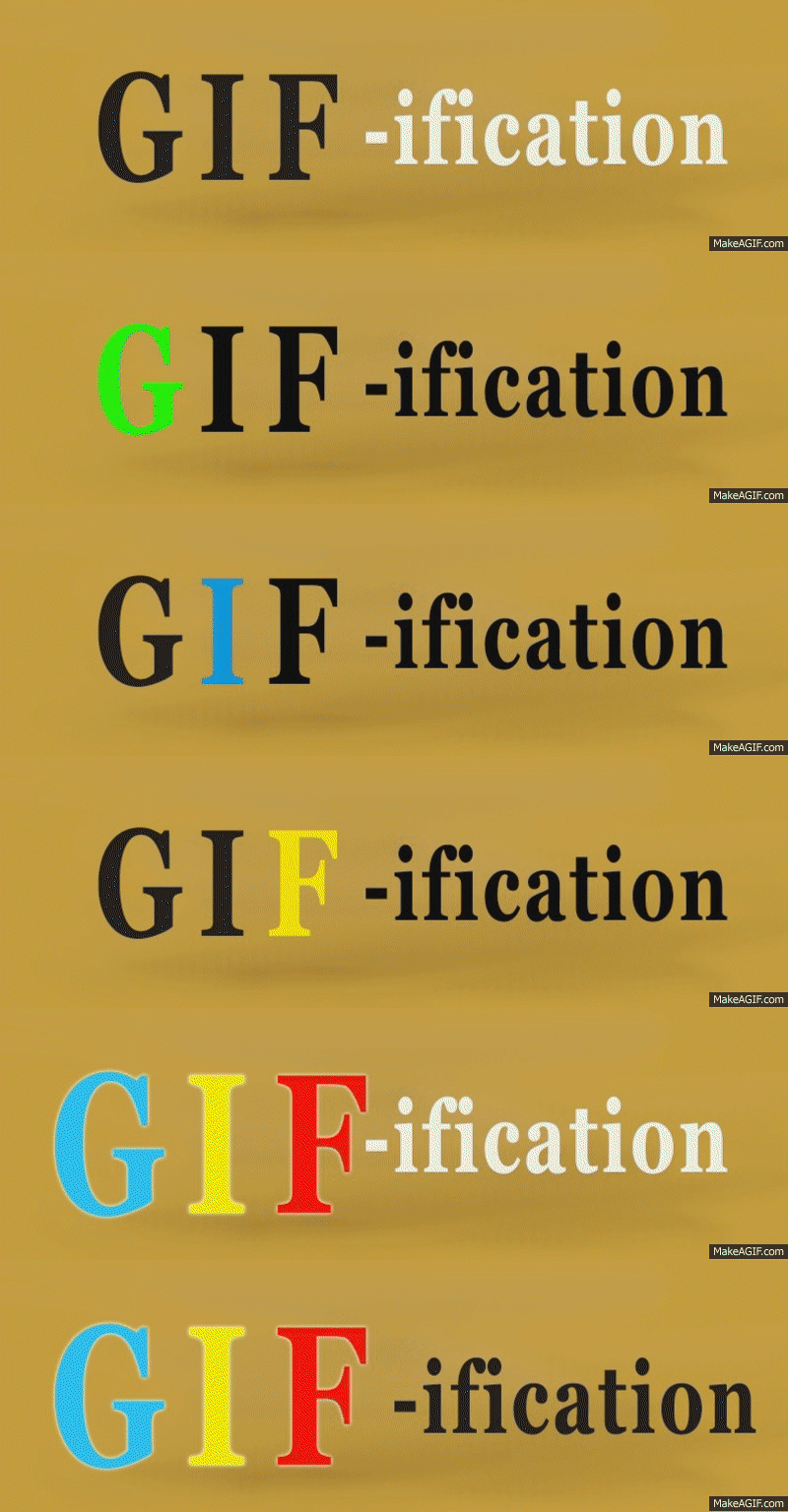
For my part, I decided to practise my new GIF skills. I love History. I was always fascinated, but failed to achieve much, academically, not having a thing for numbers. In other words, I never remembered dates. I’m currently research ways to use tools such as GIF making, for educational purposes, and I love some of the history GIFs that are coming out.
Gif-ification
It is hard to be on social media at the moment without coming across GIFs. But what is a GIF, how has it come to be a widely used format for amateur and professional alike? A GIF is a form of computer image that moves as an animation, because it consists of frames, like a movie with no sound.
Questions Concerning Heidegger
I have spent the last few weeks, mentally stuck. Unable to move on, forward, backward, or any direction. Why? Heidegger.
Martin Heidegger, was a German philosopher and a seminal thinker. According to the Internet Encyclopaedia of Philosophy, he is “widely acknowledged to be one of the most original and important philosophers of the 20th century.“1 His philosophy, in particular, his post-war writings reminds me of J. R. R. Tolkein, whose seminal fantasy works The Hobbit, and The Lord of the Rings. Tolkein too, lamented the decline of the rural peasant, and the overpowering, dominating aspects of technology on the human soul and the landscape.
The Migration of the Aura
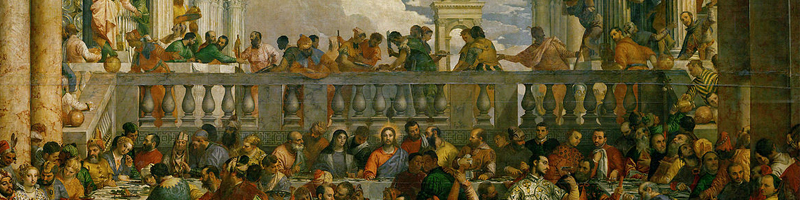
Di Paolo Veronese – [1], Pubblico dominio, Wiki Commons
The Migration of the Aura – or How to Explore the Original Through Its Facsimiles
Bruno Latour argues that the in light of such sophisticated technologies of reproduction, that the aura of an artwork is no longer fixed and confined to the original. Instead it has the potential to migrate beyond the original. Discussing the Factum Arte facsimile project, a digital reproduction of Le Nozze di Cana, a painting by Paulo Veronese, 1573, which was painstakingly created for a special occasion. On 11 September 2007, the 210th anniversary of the looting of the painting by Napoleon’s troops, a facsimile of the original was hung in its original place in the Palladian Refectory.1
The Maker Movement in a Rural Context.
The Maker Movement is a world wide movement, of Hacktavists, Craftivists and Activists, who come together in an informal setting, a Maker Space, either virtually and in reality, to create. Unused, discarded or broken electronic, plastic, silicon, thread or any raw material and/or product, is reused, assembled and re-made. Associated with urban movements, future research will show that the possibility of setting up a community of practice in the form of a Makers Space in a rural setting, can provide rural communities with new and exciting technological opportunities.
Where ART meets Digital
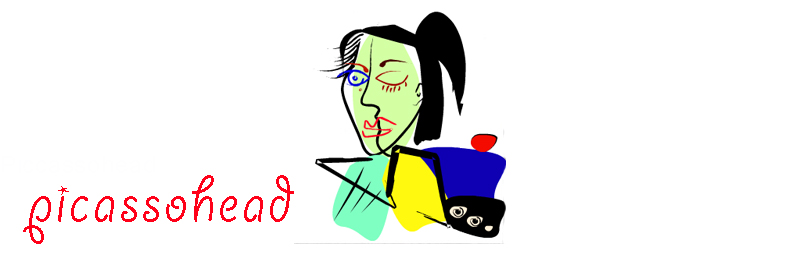
I came across this little website, made by RFI Studios, ‘Create Your Own Piccassohead’, and had great fun designing a self portrait to use as a new avatar for my social media. This is a great simple, yet effective tool, that combines digital and creativity.
“If everything is a network, nothing is a network”
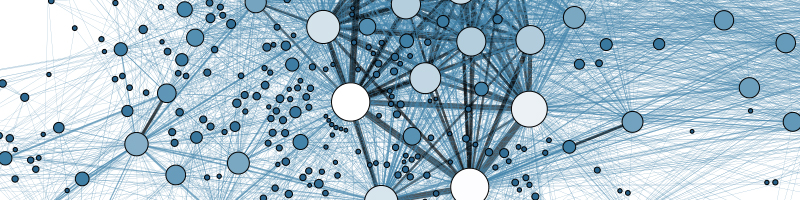
I was researching open source and advocacy when I came across an interesting blog post about networks on the Visualising Information for Advocacy website. Written by Mushon Zer-Aviv, just a few weeks ago, it is a discussion exploring our concept of networks, and how the current trends in the visualisation of networks are missing important factors, such as flow, narrative and directionality.
Critique: New York Public Library
The New York Public Library has just released a Mecca for graphic designers, artists, researchers, designers, digital artists, fabric printers, scrapbookers, students, visual browsers and many, many, more.. The no holds barred online publication of over 180,000 digitized public domain images, that include manuscripts, maps, photographs, sheet music, lithographs, postcards, etc.
Review: Database, Data Stream and Timeline: forms of social media
[Source: Digital Wallpaper www.7themes.com]
Reading Data-stream, Database, Timeline: the forms of social media by Lev Manovich, it struck me how little I know about the organisation and methodology of social media interfaces. We have become so accustomed to either not having to think about it, or a style of certain social networks, that the digital mechanics of what goes on behind the screen are invisible. Formulating critical descriptions, assessing cultural implications and re-adjusting according to the constant changes in technology, is what Lee Manovich, Director of the Software Studies Initiative is analysing.